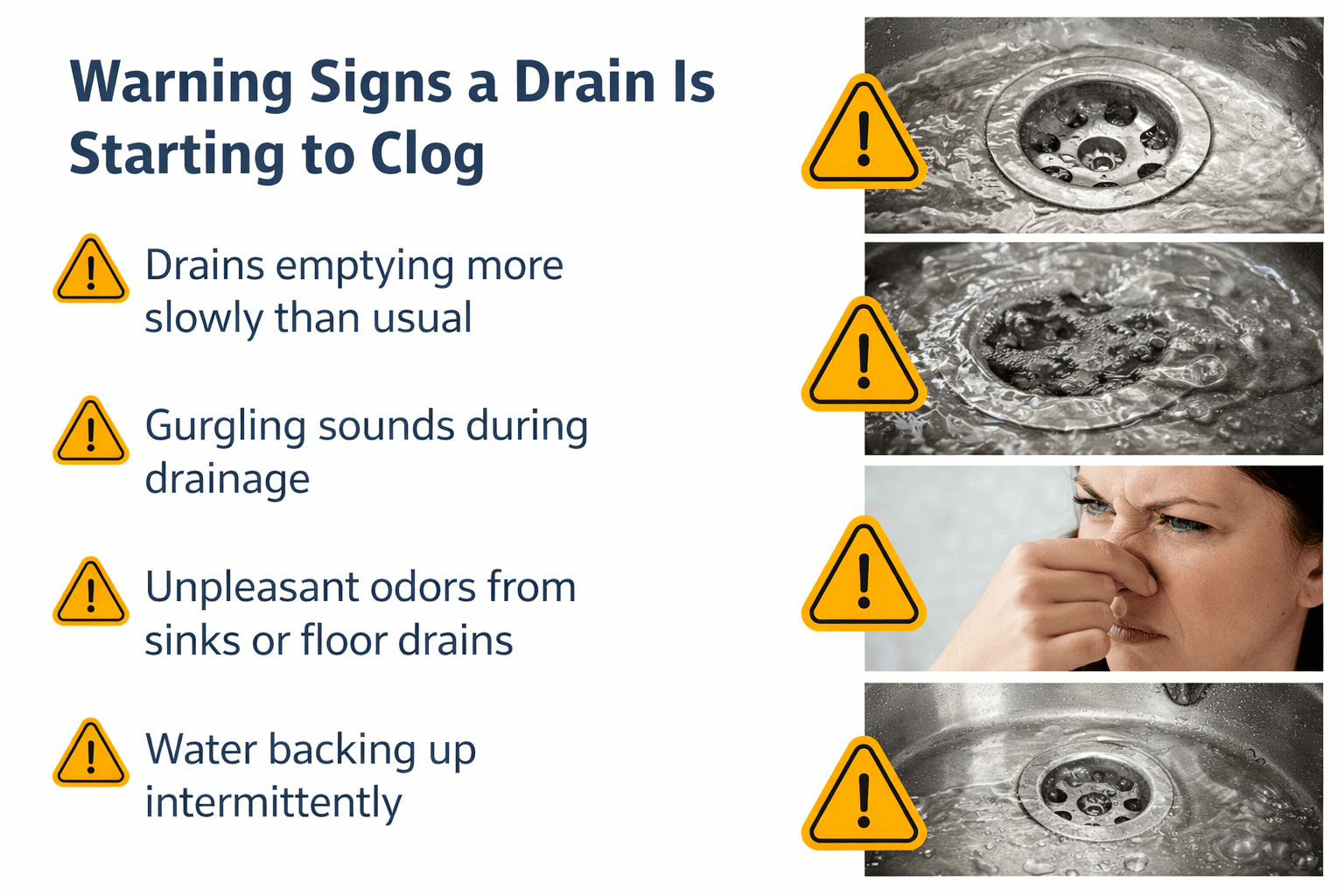
Early indicators often appear before a complete blockage occurs:
Addressing these signs early can prevent emergencies.
Grease may enter drains as a liquid, but it cools and solidifies inside pipes. Over time, grease coats pipe walls and traps other debris, gradually narrowing the flow path. This is one of the most common causes of recurring kitchen drain clogs.
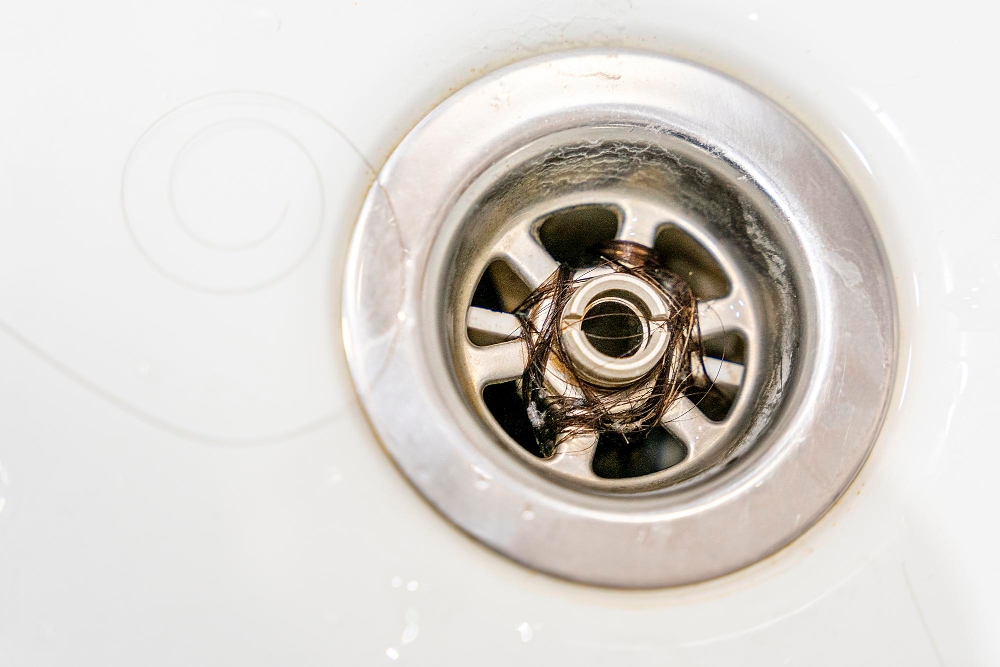
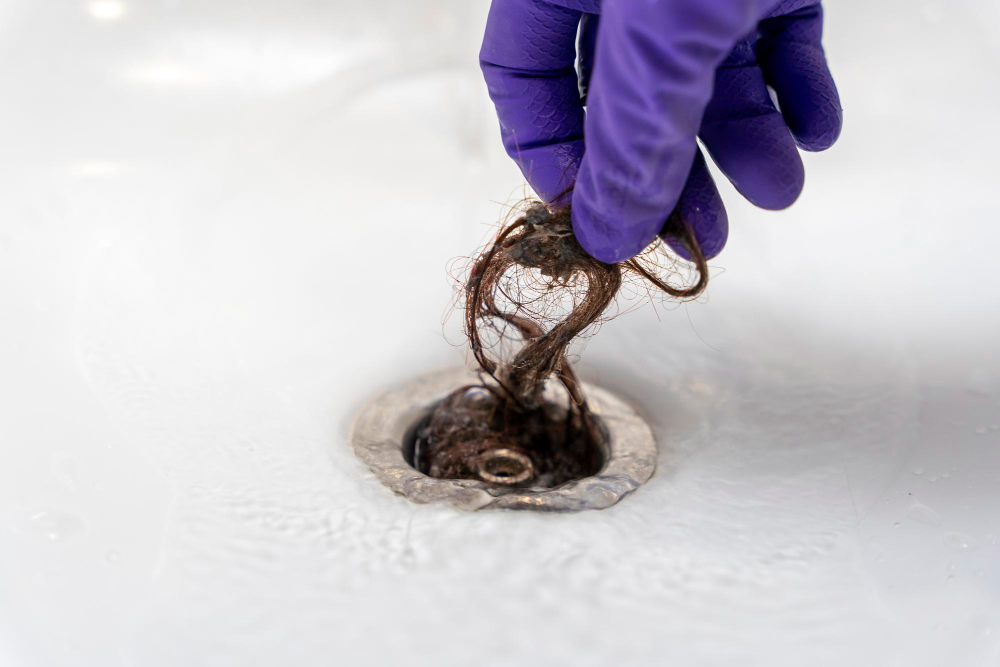
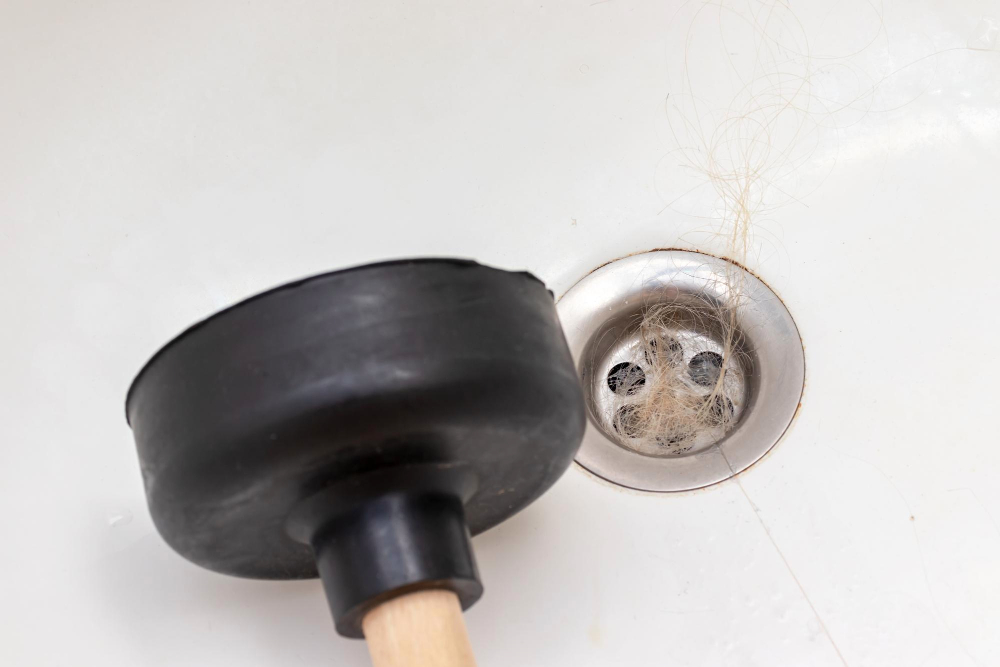
Soap scum, hair, and organic waste combine to form sticky residue that adheres to pipe interiors. This buildup often develops slowly, causing drains to become progressively slower before fully clogging.
Items such as wipes, paper towels, hygiene products, and small objects can lodge inside drains, creating immediate blockages or acting as anchors for additional buildup.
In sewer and main drain lines, tree roots seek moisture and can penetrate small cracks or joints. Once inside, roots expand and trap debris, leading to severe restrictions or backups.
Older drain systems, especially those made from cast iron or clay, are more prone to corrosion, rough interiors, and joint misalignment. These conditions accelerate buildup and increase clog frequency.
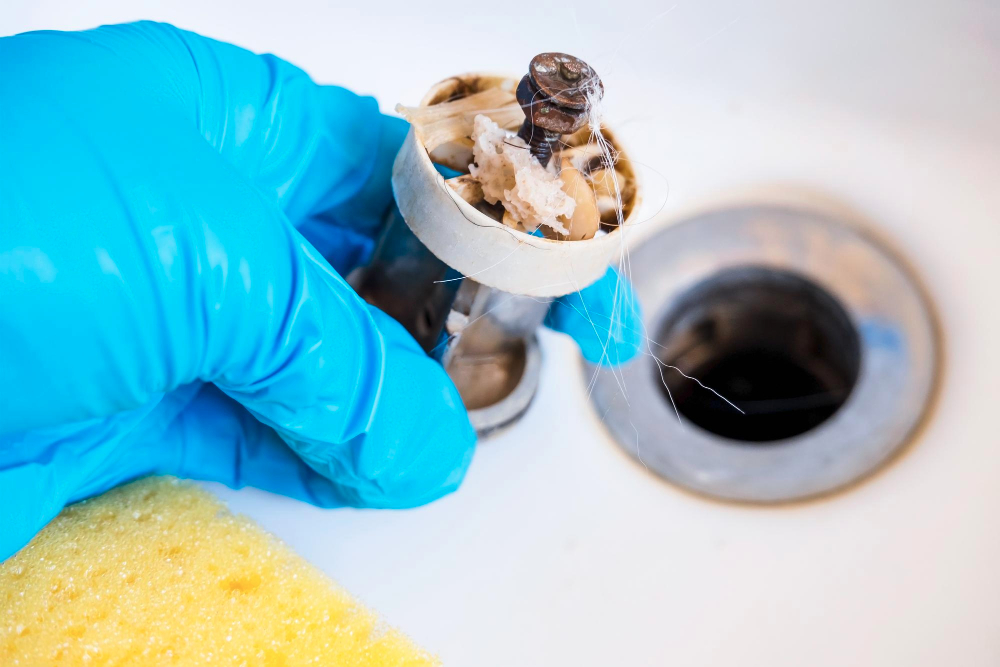
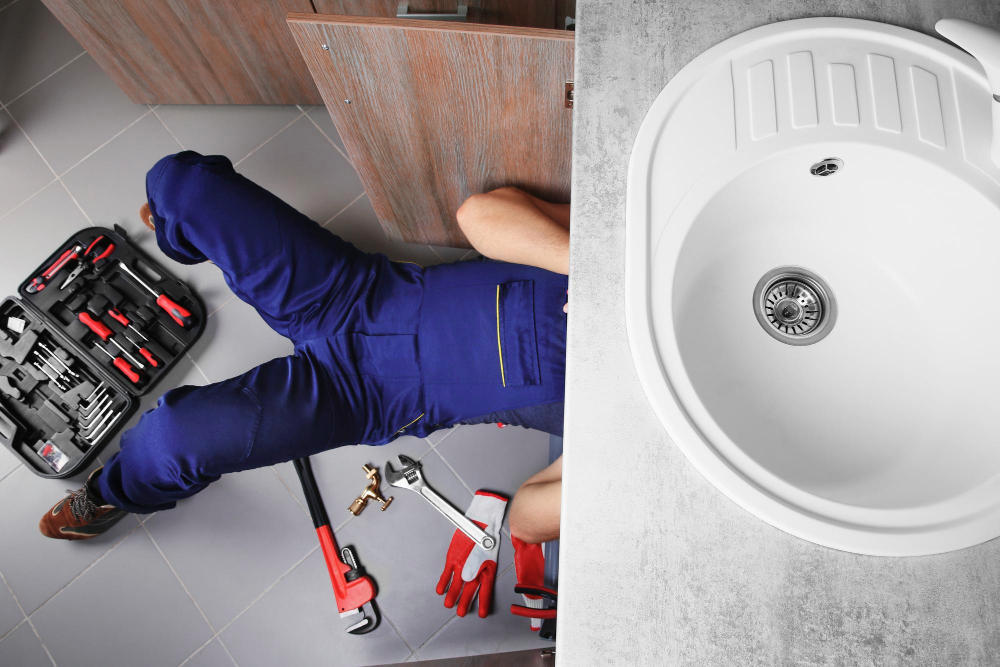
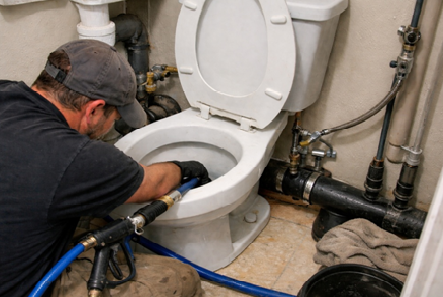
Professional drain cleaning removes obstructions and buildup from inside the pipe, restoring normal flow capacity.
For heavy or recurring buildup, additional methods may be recommended.
Preventive steps include:
- Avoiding grease disposal down drains.
- Using strainers to catch debris.
- Scheduling periodic professional cleaning for high-use systems.