(617) 821-4444

Why Drains Clog: Understanding Drain System Failures

Drains Clog
Drains clog when buildup, debris, or structural issues restrict normal water flow inside a drain system. Over time, materials such as grease, soap residue, organic waste, and foreign objects accumulate along pipe walls, gradually reducing flow capacity until drainage slows or stops completely.

How a Drain System Is Supposed to Work

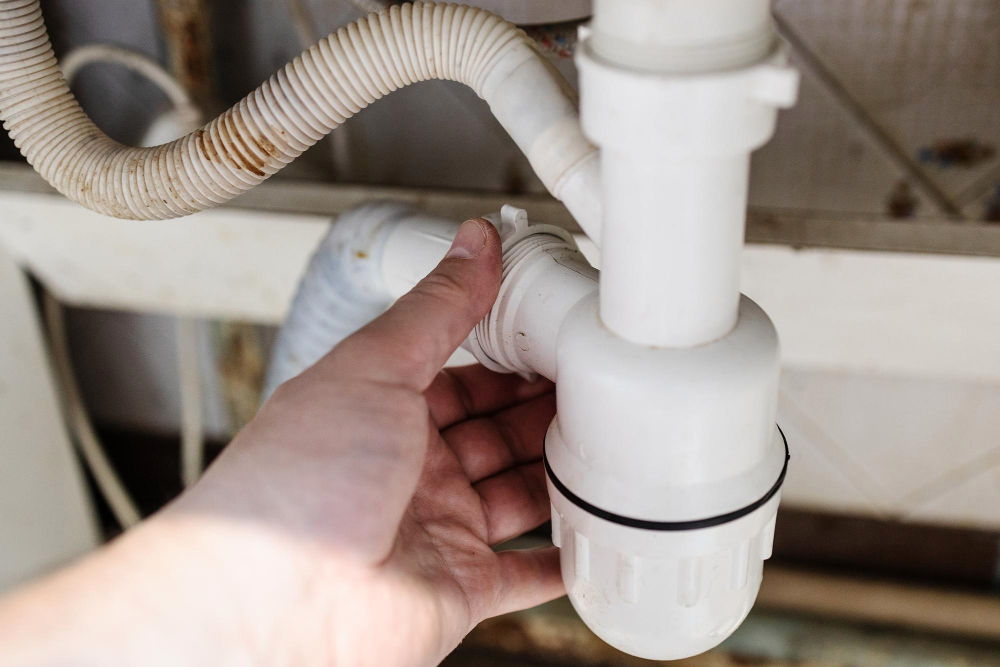
A drain system relies on gravity and open pipe diameter to move wastewater away from fixtures efficiently. When the interior of the pipe remains clear, water flows freely without pressure buildup. Clogs occur when this balance is disrupted.
Drain Clogs

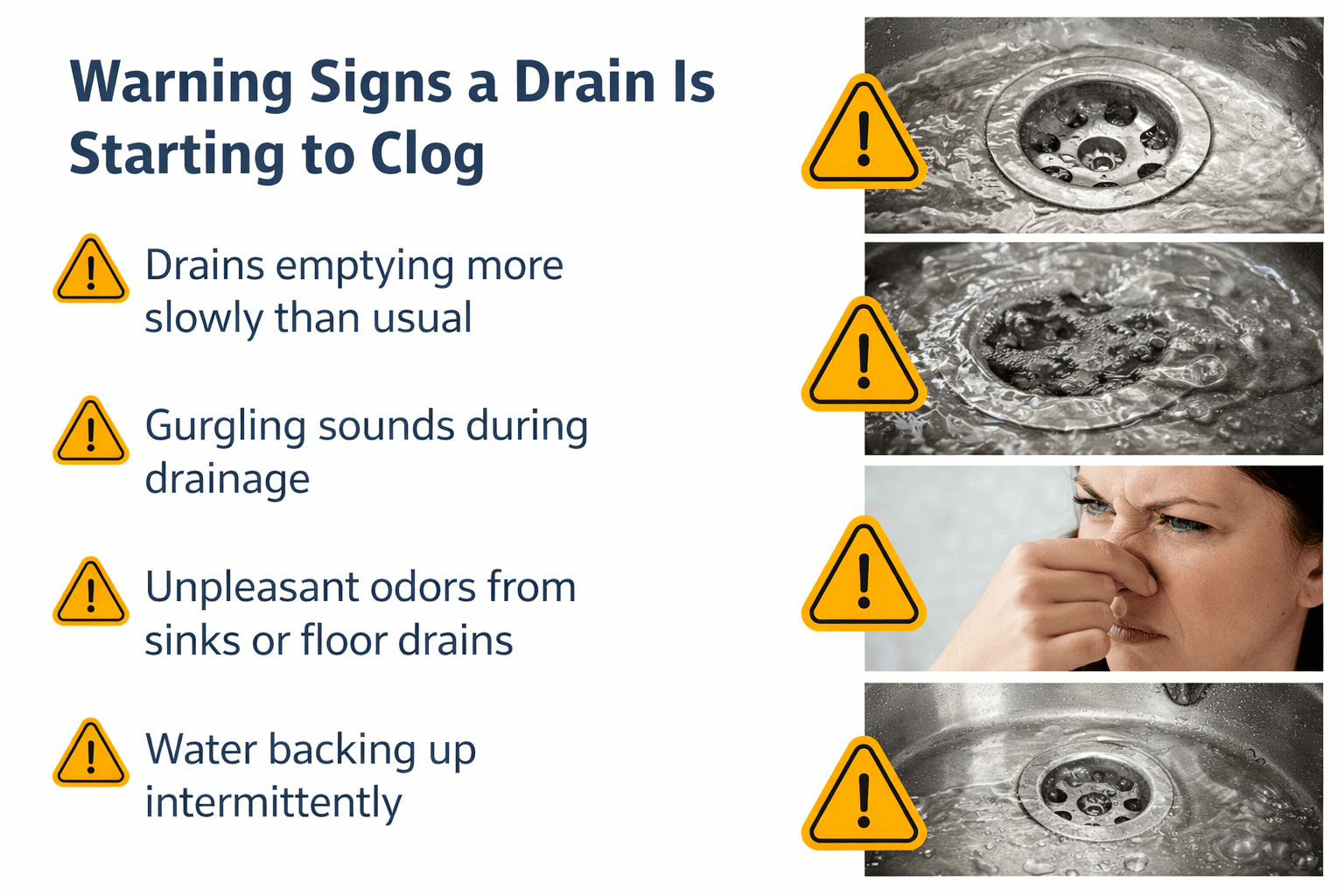
Warning Signs a Drain Is Starting to Clog

Drains Clog

Early indicators often appear before a complete blockage occurs:

  • Drains emptying more slowly than usual
  • Gurgling sounds during drainage
  • Unpleasant odors from sinks or floor drains
  • Water backing up intermittently

Addressing these signs early can prevent emergencies.

The Most Common Reasons Drains Clog

Grease and Fat Buildup

Grease may enter drains as a liquid, but it cools and solidifies inside pipes. Over time, grease coats pipe walls and traps other debris, gradually narrowing the flow path. This is one of the most common causes of recurring kitchen drain clogs.

Soap Residue and Organic Debris

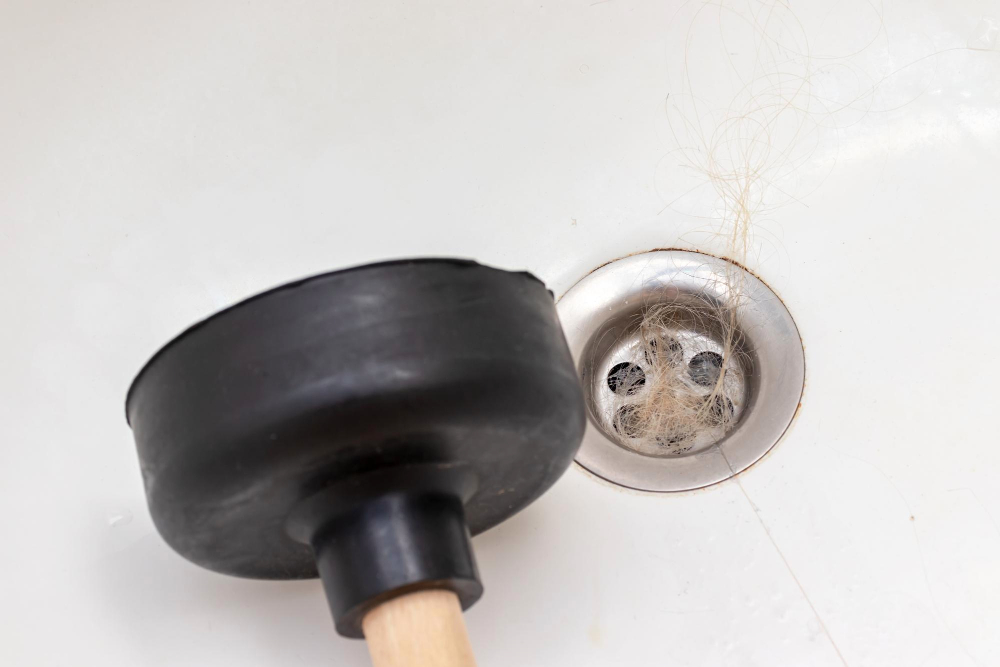
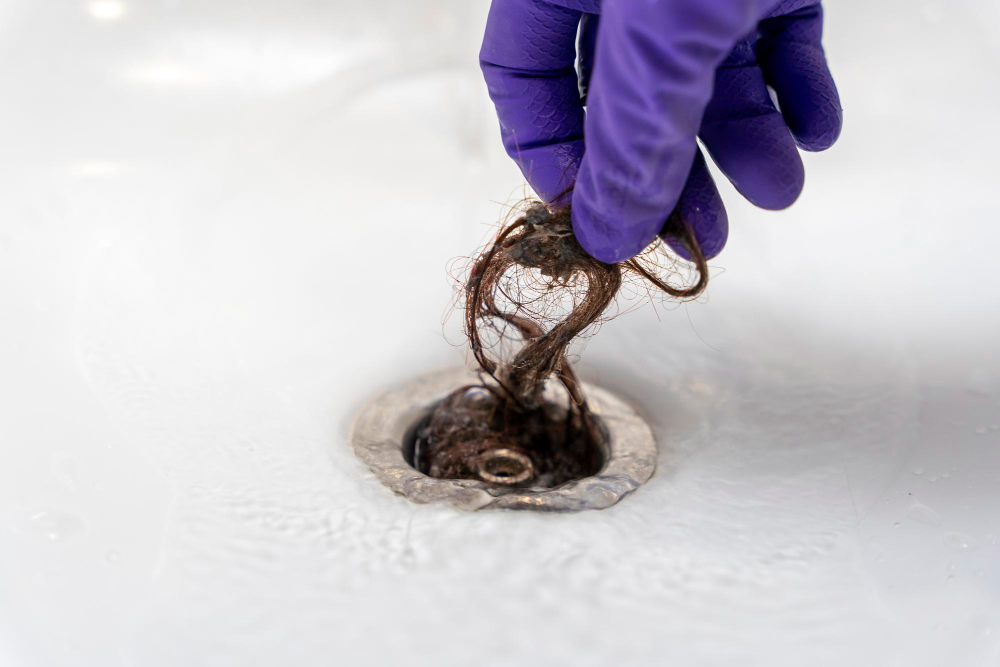
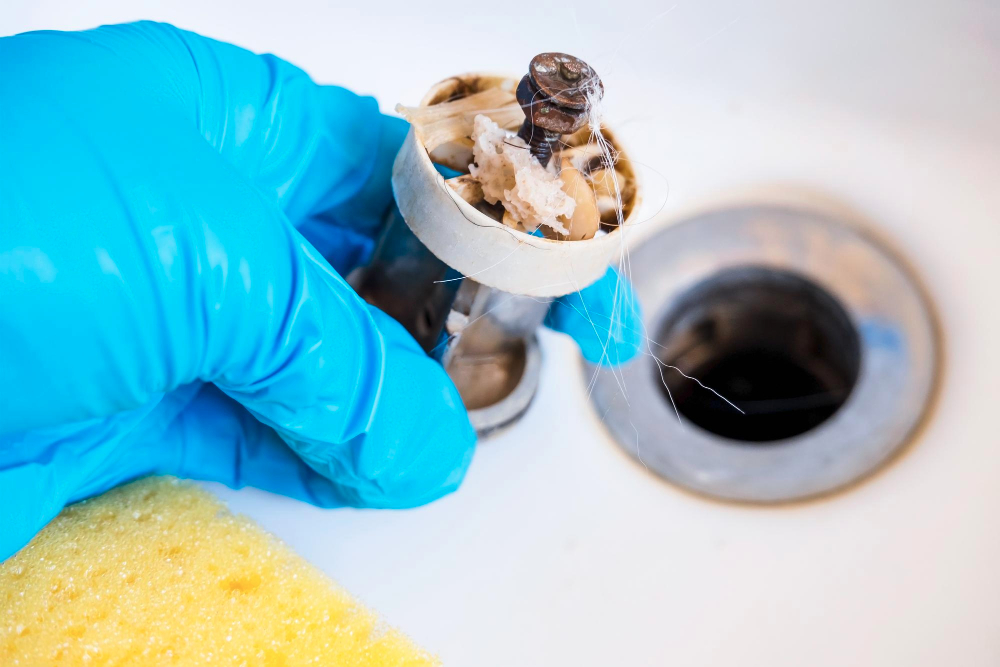
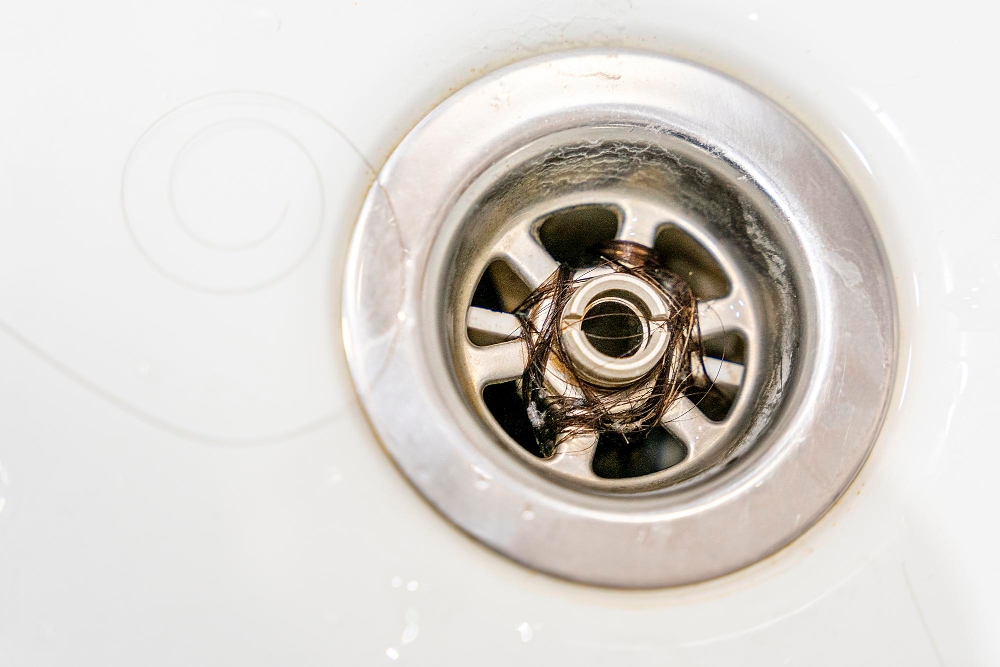
Soap scum, hair, and organic waste combine to form sticky residue that adheres to pipe interiors. This buildup often develops slowly, causing drains to become progressively slower before fully clogging.

Foreign Objects

Items such as wipes, paper towels, hygiene products, and small objects can lodge inside drains, creating immediate blockages or acting as anchors for additional buildup.

Tree Root Intrusion

In sewer and main drain lines, tree roots seek moisture and can penetrate small cracks or joints. Once inside, roots expand and trap debris, leading to severe restrictions or backups.

Pipe Condition and Age

Older drain systems, especially those made from cast iron or clay, are more prone to corrosion, rough interiors, and joint misalignment. These conditions accelerate buildup and increase clog frequency.
Why Some Drains Clog Repeatedly

Recurring clogs often indicate that buildup is coating the pipe walls, not just blocking a single point. In these cases, basic snaking may temporarily restore flow but fails to remove the underlying residue. More thorough cleaning methods or preventive maintenance may be required.
Drains Clog

How Drain Cleaning Resolves Clogs

Professional drain cleaning

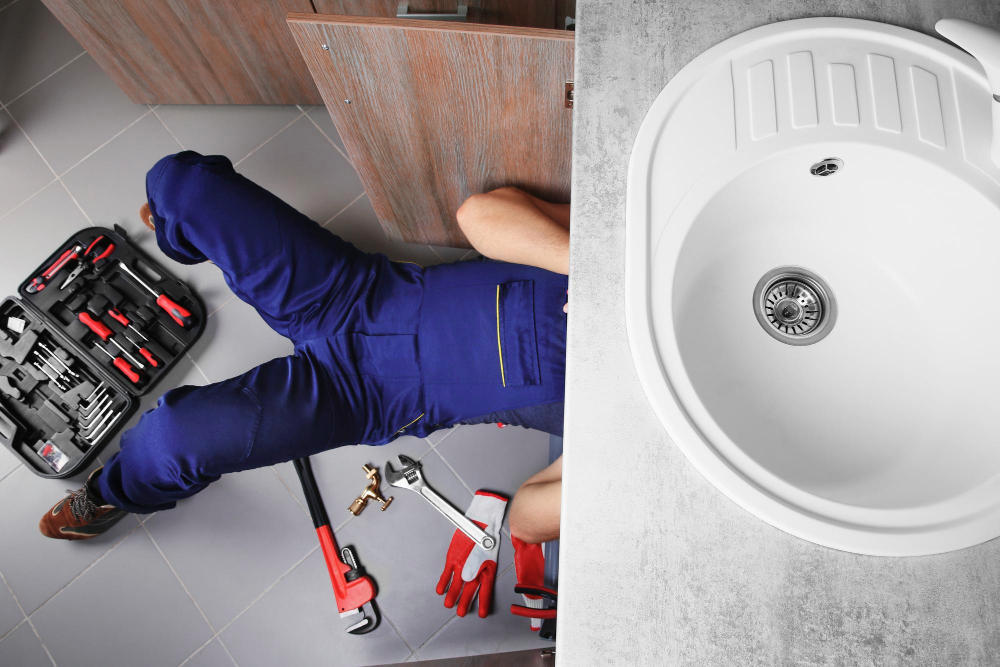
Professional drain cleaning removes obstructions and buildup from inside the pipe, restoring normal flow capacity.

Drain Cleaning Services

For heavy or recurring buildup, additional methods may be recommended.
When Hydro Jetting Is Necessary

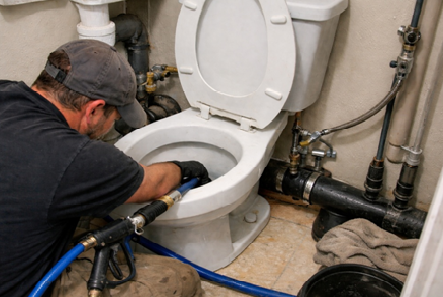
When grease, scale, or residue coats the entire pipe interior, hydro jetting may be used to fully clean pipe walls.
Hydro Jetting Services
Hydro Jetting

Preventing Future Drain Clogs

Drain Clogs

Preventive steps include:

- Avoiding grease disposal down drains.

- Using strainers to catch debris.

- Scheduling periodic professional cleaning for high-use systems.
Preventive Drain & Sewer Maintenance

When a Clogged Drain Becomes an Emergency

If multiple drains back up at once or wastewater overflows into living spaces, the problem may involve the main sewer line.
Emergency Drain & Sewer Services
Drain Clogs
Copyright © 2026 Drains R Us. All Rights Reserved
Digital Marketing Agency  by
crossmenuchevron-downarrow-right